
7 Things to Know About Satin Interior Paint Before You Buy
.webp&w=96&q=75)
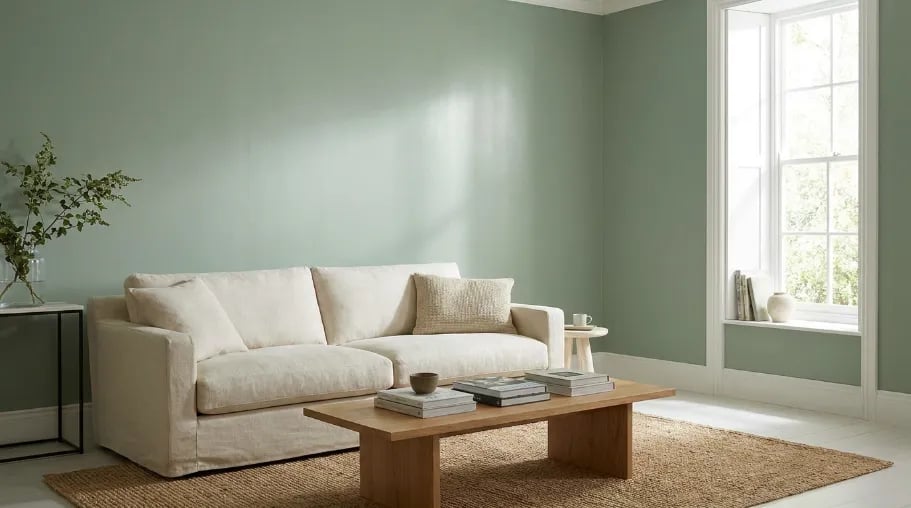
Satin interior paint is a washable, durable interior wall finish that sits between eggshell and semi-gloss. This guide explains what satin paint is, how its sheen works, where it works best, how it compares with matte and eggshell paint, and how to apply it correctly. Nusaiba Construction & Technology shares this practical guide to help homeowners and property owners choose the right interior finish.
You will also learn about its benefits, limitations, durability, maintenance, and suitability for humid homes in Bangladesh. If you are choosing paint for a living room, bedroom, hallway, kids' room, or other busy space, this guide will help you decide whether satin interior paint is the right finish for your walls.
Key Takeaways
Satin interior paint has a soft, pearl-like sheen. It falls between 26 and 40 percent light reflectance. That makes it tougher and easier to wash than flat or matte paint.
It works well in living rooms, bedrooms, hallways, and kids' rooms, since it resists fingerprints and light stains.
Satin shows more wall flaws than matte paint, so good wall prep matters more.
Dhaka receives about 1,854 mm of rain a year, with nearly 80 percent falling between May and September. Satin often holds up better than flat paint in that kind of damp.
Local brands like Berger, Asian Paints, Elite, and Roxy all sell satin interior wall paint at different prices. Two coats are usually enough for full coverage.
Table of Contents
What Is Satin Interior Paint?
How Does Satin Paint Work?
Why Does Satin Paint Suit Bangladeshi Homes?
Satin vs Matte Paint
Satin vs Eggshell Paint
Benefits of Satin Interior Paint
Common Challenges With Satin Paint
How to Apply Satin Paint
Best Rooms for Satin Paint
Expert Tips for Choosing Satin Paint
Common Mistakes to Avoid
FAQ
Final Thoughts
What Is Satin Interior Paint?
Satin interior paint, also called satin finish paint or satin finish interior paint, has a sheen level of roughly 26 to 40 percent light reflectance. This sits on the standard gloss scale, just above eggshell (10 to 15 percent) and below semi-gloss (41 to 69 percent).
In fact, the same gloss classification puts full gloss at 70 to 90 percent reflectance and matte below 10 percent. A "sheen" category sits at 15 to 25 percent, between matte and eggshell. I first noticed this middle-ground feel at a Dhaka paint shop. I ran my hand over a test panel, and it caught the light at an angle.
But it did not shine back the way a semi-gloss sample on the next panel did. Staff there often call it "half-shiny, half-matte," which is a fair way to picture it.
Where Satin Sits on the Sheen Scale
Flat and matte paint absorb light and hide wall texture. Satin paint for walls sits in the middle instead. It reflects a soft glow without the shine of enamel paint on doors or trim. Because of that balance, satin interior wall paint suits busy family homes. Many buyers looking for the best satin paint start with this middle sheen range.
How Does Satin Paint Work?
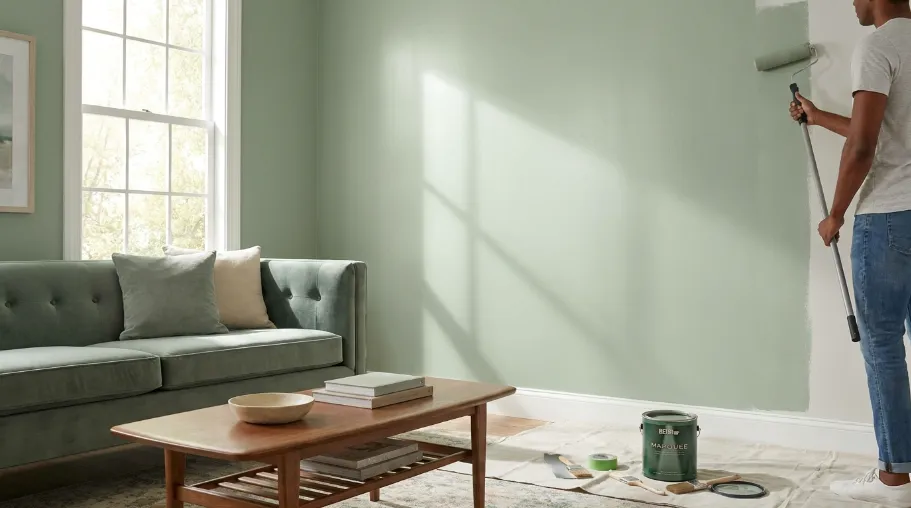
Satin paint, a common type of satin interior paint, uses a higher ratio of resin to pigment than matte paint. As a result, it creates a harder, less porous film once it dries. In practice, that means dirt and grease sit on the surface instead of soaking in. So, a damp cloth can wipe off smudges without pulling up the color underneath.
When I painted a hallway wall with a satin finish, it felt dry to the touch within about three hours. That was faster than a matte sample I tested the same afternoon. As most tins recommend, I left it alone for the first two weeks before testing it with a damp sponge.
At that point, light pencil marks and a coffee smudge near the light switch wiped off cleanly. There was no dulling of the color underneath. By the one-month mark, the finish had settled into a slightly harder, more scrubbable surface than it felt on day one. That lines up with the two-to-four-week curing window most manufacturers list.
Why Is Satin Paint Suitable for Bangladeshi Homes?
Satin paint suits many Bangladeshi homes because its washable finish handles dust, fingerprints, and everyday cleaning well. This is useful in humid cities such as Dhaka and Chattogram, especially in busy rooms. However, satin paint does not prevent dampness or mold, so walls must be dry and properly prepared before application.
The same climate record puts Dhaka's annual average temperature at 25°C. Monthly averages range from 18°C in January up to 29°C in August. In addition, a separate 15-year study (2007-2021) of weather records in Khulna, published in 2024, found mean monthly relative humidity ranging from 71.6 percent to 87.27 percent.
That gives a sense of how consistently damp the air stays across much of Bangladesh through the year. Since moisture control is the key factor in preventing indoor mold growth, a harder satin film gives damp air less to grip onto. A chalky matte surface, by contrast, offers more for that moisture to hold.
The Cost and Durability Trade-Off
Flat paint on ground-floor walls often looks dull within a year or two in a humid climate.
For example, I saw this play out in a friend's ground-floor sitting room in Dhaka. The matte paint on the wall behind the sofa had visibly dulled after about 18 months. It had also picked up faint water stains.
Meanwhile, a satin-painted wall in the same house, put up around the same time, still wiped clean with a damp cloth. It kept its color, too. In short, a washable satin finish on the same wall tends to stay fresh for longer. Satin usually costs somewhat more per litre than matte paint, but fewer repaints over time can offset that gap.
Satin vs Matte Paint
Feature | Satin Paint | Matte Paint |
|---|---|---|
Sheen level | 26-40% reflectance | Under 10% reflectance |
Washability | High, wipes clean easily | Lower, can smear when scrubbed |
Hiding wall flaws | Shows dents and bumps more | Hides flaws well |
Best rooms | Living rooms, hallways, kids' rooms | Ceilings, quiet bedrooms |
Typical price | Slightly higher | Slightly lower |
Satin vs Eggshell Paint
Satin paint reflects more light than eggshell paint (26-40 percent versus 10-15 percent) and holds up better to washing. As a result, satin often wins in busy rooms while eggshell suits quieter spaces. The Spruce's comparison of paint sheens makes a similar point about semi-gloss and satin. The shinier the paint, the more it shows brush marks. So, wall prep matters more as sheen increases.
What Are the Benefits of Satin Interior Paint?
The main benefits of satin interior paint are easy cleaning, good durability, moderate light reflection, and a soft decorative sheen. It handles everyday fingerprints and light stains better than many matte finishes. Satin is also widely available in different colors, making it a practical option for living rooms, bedrooms, hallways, and other busy interior spaces.
The main satin paint benefits come down to washability, light, and coverage. Here is what stands out:
Easy to clean: handprints and light scuffs wipe off in seconds.
Good light reflection: brightens rooms that get less natural sunlight.
Satin paint durability: the harder finish handles daily wear better than flat paint, so it holds its look for longer between repaints.
Wide color range: most brands offer satin paint colors in nearly every shade.
Moisture resistance: performs better than matte paint in damp rooms, such as spaces near the kitchen.
Reliable satin paint coverage: two coats typically cover most walls evenly, even over a different base color.
Similarly, Consumer Reports' room-by-room paint guide, published in June 2015, backs this up. Darker rooms with less light often look better in a shinier finish like satin. That is because it bounces more light back into the room. Naturally bright rooms, on the other hand, tend to suit a flatter finish.
Common Challenges With Satin Paint
Satin interior paint is not perfect for every wall, and testing it on a few different surfaces taught me that. Three things to know before you commit:
It shows roller marks and brush strokes more than matte paint, so technique matters.
Rough or poorly patched walls show through more clearly under satin's sheen.
It usually costs more than basic matte or distemper paint.
My Experience With Satin Interior Paint
I tested satin paint on a hallway and kitchen-adjacent wall in Dhaka. I applied primer and two thin coats, leaving about six hours between coats due to humidity.
After three weeks, I tested the surface with a damp sponge. Pencil marks and a coffee stain wiped away without noticeable color loss. After one month, the finish still looked even and easy to clean.
After about 18 months, I compared it with a matte wall. The matte surface had visible stains and dull patches, while the satin wall remained easier to maintain.
My main lesson: satin paint performs well on busy walls, but proper sanding, priming, and thin coats are essential for a smooth finish.
How to Apply Satin Paint
I have gone through this process a few times on my own walls. The order below is what consistently gave the cleanest result:
Clean the wall: Remove dust, grease, and any old flaking paint.
Fill and sand cracks: Satin highlights rough patches, so smooth them first. Skipping this step on one wall left a faint shadow around a filled crack once the paint dried. Sanding again and re-coating fixed it.
Prime the surface: This matters most over old dark colors or bare plaster.
Apply two thin coats: Two coats give even color on most walls; avoid one thick coat. On my second coat, letting it go on thin with a roller made the biggest visible difference in the final sheen, more so than loading it heavy.
Let each coat dry fully: This takes about four to six hours, depending on humidity. However, in Dhaka's more humid months, my second coat needed closer to six hours before it stopped feeling tacky.
Skip heavy scrubbing at first: Give the paint two to four weeks to fully cure. For example, I waited three weeks before wiping down a kitchen-adjacent wall, and it held up without any color transfer onto the cloth.
Best Rooms for Satin Paint
Living rooms: satin paint for living rooms handles daily traffic and occasional wall touches well.
Bedrooms: satin paint for bedrooms adds a soft glow without looking flat.
Hallways and staircases: high-touch areas benefit from a wipeable surface.
Kids' rooms: crayon marks and small stains clean off with less effort.
Doors and trim: satin paint for doors and satin paint for trim both sit between flat and glossy enamel. This gives woodwork a slight sheen without full gloss.
Expert Tips for Choosing Satin Paint
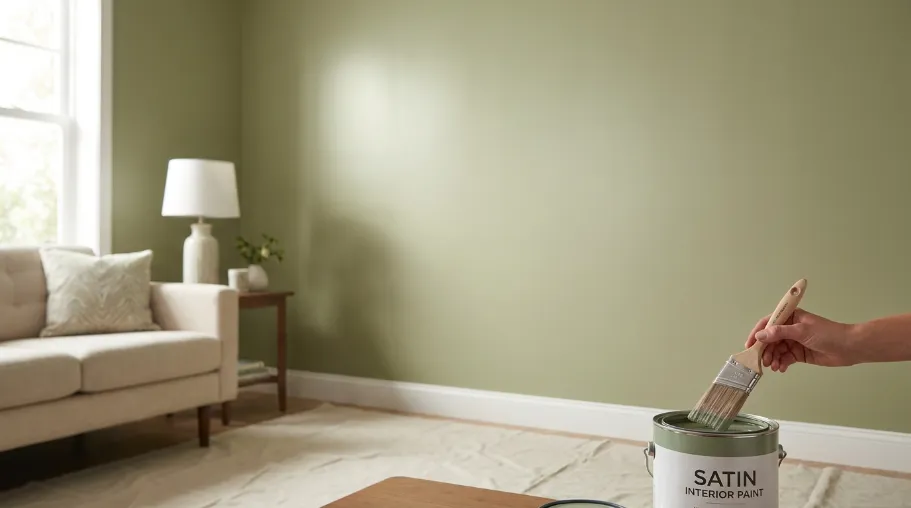
Before you buy satin interior paint, a few habits from experienced painters can save you a repaint. A few of these I picked up the hard way:
Test a small patch first, since lighting changes how satin paint colors look during the day versus at night. For instance, a color that looked crisp and cool under my test-panel lighting in the shop looked noticeably warmer once I saw it on the wall at home, under evening tube light.
In bright rooms, light satin shades can look washed out; darker tones show the sheen more clearly.
Choose a satin line with built-in mold resistance if your budget allows, given Bangladesh's year-round humidity.
Ask your dealer, whether Berger, Asian Paints, Elite, or Roxy, about their washable satin range. Formulas vary by product line.
Check how brands describe their own paint. Behr's satin interior paint listing calls its sheen a "soft, pearl-like appearance." That is a useful way to picture the finish before you pick a color.
Common Mistakes to Avoid
Skipping primer on old or stained walls, which often causes uneven sheen.
Applying one thick coat instead of two thin ones.
Painting over damp walls, which is common during Bangladesh's May-to-September rainy season.
Choosing satin for a ceiling, where the sheen can create glare under lighting.
Painting over mold without treating it first. EPA guidance on mold and moisture, first issued in 2002 and reprinted in 2012, notes that paint will not stop mold from growing back. So, the surface needs to be cleaned and dried before any paint goes on.
FAQs About Satin Interior Paint
Is satin paint good for bathroom walls?
Satin can work in bathrooms with decent airflow, though it is not built for constant steam. Instead, a dedicated moisture-resistant paint generally holds up better in rooms with heavy splashing or poor ventilation. So, save satin for bathrooms with a working exhaust fan or an open window.
Does satin paint peel easily in humid weather?
Not usually, if the wall is primed and fully dry before painting. Peeling in humid conditions is generally caused by poor surface prep, not by the paint itself. Proper priming and a dry base coat prevent most peeling issues, even in Bangladesh's monsoon months.
Can I use satin paint on ceilings?
Yes, it is possible, but most painters recommend flat or matte paint for ceilings instead. That is because satin's sheen highlights uneven plaster and can create glare under overhead lighting. Both flaws are more noticeable on a ceiling than on a wall at eye level.
How long does satin paint take to cure fully?
Satin paint usually feels dry to the touch within two to four hours of application. Full curing, when the surface can handle regular washing and heavy use, generally takes two to four weeks. Avoid scrubbing the wall hard during that window.
Is satin paint more expensive than matte paint?
Yes, satin interior paint typically costs somewhat more per litre than matte or flat paint. However, the exact gap depends on the brand and product line. Since the added durability often means fewer repaints, it can offset some of the extra cost over a few years.
How many coats of satin paint do I need?
Two coats are usually enough for even color and full coverage, especially when painting over a different base color. A single coat can leave patchy spots or let the old color show through. So, budget for two thin coats rather than one thick one.
Which brands sell satin interior wall paint in Bangladesh?
Berger, Asian Paints, Elite, and Roxy are among the most recognized paint brands sold in Bangladesh. Most of them offer a satin option within their interior paint ranges, often alongside matte and semi-gloss lines. So, ask your local dealer for their specific satin or washable series.
What is the difference between satin and silk paint finishes?
Satin and silk sit close together on the sheen scale. Some brands use the two terms interchangeably for a similar soft-glow finish. Where a brand does distinguish them, silk usually leans slightly shinier than satin. Still, the practical differences in washability and durability are minor.
Conclusion: What Is the Best Use for Satin Interior Paint?
Satin interior paint is a practical choice for homeowners who want a soft glow, easy cleaning, and everyday durability. It works especially well in living rooms, bedrooms, hallways, staircases, and kids' rooms where walls need regular cleaning.
Choose satin paint when washability and durability are more important than hiding minor wall imperfections. Choose matte paint when you want to conceal dents and uneven surfaces, and choose a flatter finish for ceilings to reduce glare.
In short, satin interior paint is best for busy interior walls that need a balance of appearance, durability, and easy maintenance. Proper wall preparation, primer, and moisture control are still essential for a long-lasting finish.
Sources and References
Wikipedia, "Paint sheen" gloss-level ranges for satin, eggshell, and semi-gloss finishes.
Md. Sarwar Jahan, "Trend Analysis Of Relative Humidity In Khulna Of Bangladesh From Historical Data", 2024, 15-year (2007-2021) study of monthly relative humidity in Khulna.
The Spruce, "Semi-Gloss vs. Satin Paint Comparison Guide" , comparison of sheen levels and best uses.
Consumer Reports, "A Room-by-Room Guide to the Best Paints" matching paint sheen to room lighting.
U.S. EPA, "Mold Remediation in Schools and Commercial Buildings Guide: Chapter 2" moisture control as the basis of mold prevention.
U.S. EPA, "A Brief Guide to Mold, Moisture, and Your Home" treating mold before repainting.
.webp&w=256&q=75)