
Discover the Best Types of Wood for Furniture Projects (2026)
.webp&w=96&q=75)
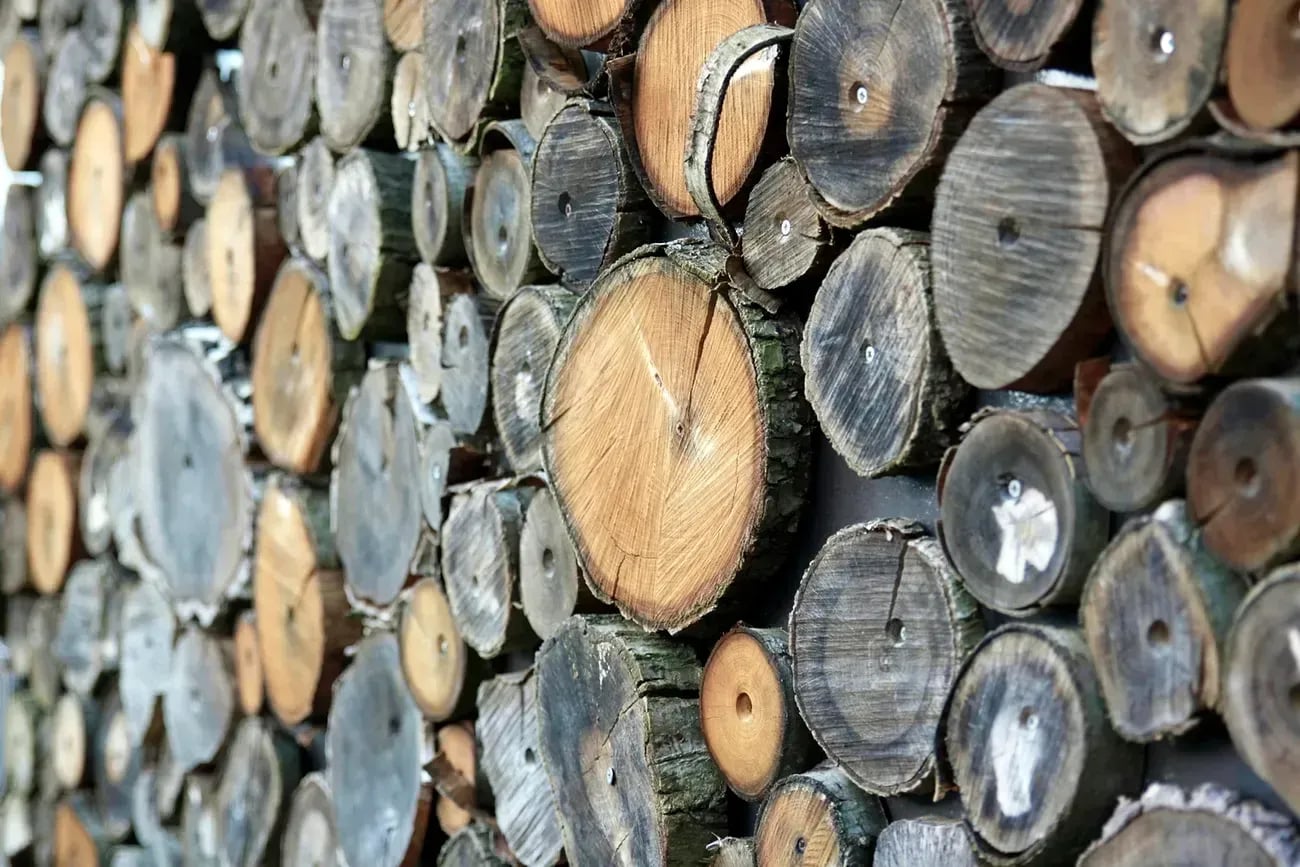
The best types of wood for furniture refers to hardwood and select softwood species, such as teak, mahogany, sal, and mango wood, that best resist Bangladesh's heat and humidity while staying strong enough for daily use. Teak leads for durability, mahogany suits bedroom pieces, and mango wood offers an affordable, eco-friendly alternative.
Key Takeaways
The best types of wood for furniture in Bangladesh are teak, mahogany, sal, and mango wood, chosen for their strength, humidity resistance, and finish, making them the best wood for furniture making on a tight or generous budget alike.
Hardwoods like teak and mahogany last longer and resist warping better than softwoods, so if you're weighing hardwood vs softwood for furniture, hardwood wins for anything used daily.
Mango wood and rubberwood are affordable wood for furniture and eco-friendly wood for furniture options for budget-conscious buyers who still want solid wood furniture materials.
Humidity resistance matters more in Bangladesh than in most countries, because of the monsoon climate, which is why durable wood for furniture and long-lasting furniture wood should always beat looks alone.
Always check moisture content and joinery quality before buying, not just the wood species, since wood quality for furniture depends on more than the name on the price tag.
What is Wood for Furniture?
Wood for furniture refers to natural or engineered wood materials used to create tables, chairs, beds, cabinets, and other furniture items. According to the Food and Agriculture Organization of the United Nations, wood remains one of the world’s most widely used renewable materials, with global roundwood production exceeding 4 billion cubic meters annually in recent years.
Hardwood species with density ranges of 600–900 kg/m³ are often selected for durable furniture because they provide higher strength, stability, and longer service life compared with softer woods.
What Are the Best Types of Wood for Furniture?
Furniture wood generally falls into two groups: hardwood and softwood, a classification explained in more detail by Britannica's overview of softwood species.
Hardwood comes from slow-growing trees like teak, mahogany, and oak. Softwood comes from faster-growing trees like pine and cedar. In other words, hardwood is denser, which means it resists dents, scratches, and moisture better, as outlined in this FAO guide to construction timber materials.
This is exactly why, when comparing hardwood vs softwood for furniture, most Bangladeshi buyers lean toward hardwood for anything that needs to last.
For Bangladesh specifically, the climate changes the equation. Heavy rainfall and high humidity mean untreated softwood can swell, crack, or attract termites within a few years, a pattern documented in this Wagner Meters guide on relative humidity and wood moisture content.
That's why hardwood dominates the local furniture market, even though it costs more upfront. Bangladesh's own forest resources, including its native hardwood species, are documented in Banglapedia's entry on timber trees and by the Bangladesh Forest Department.
Understanding which local species are the best types of wood for furniture makes it much easier to shop smart instead of relying on a showroom sales pitch.
Why Does Wood Choice Matter More Than People Think?
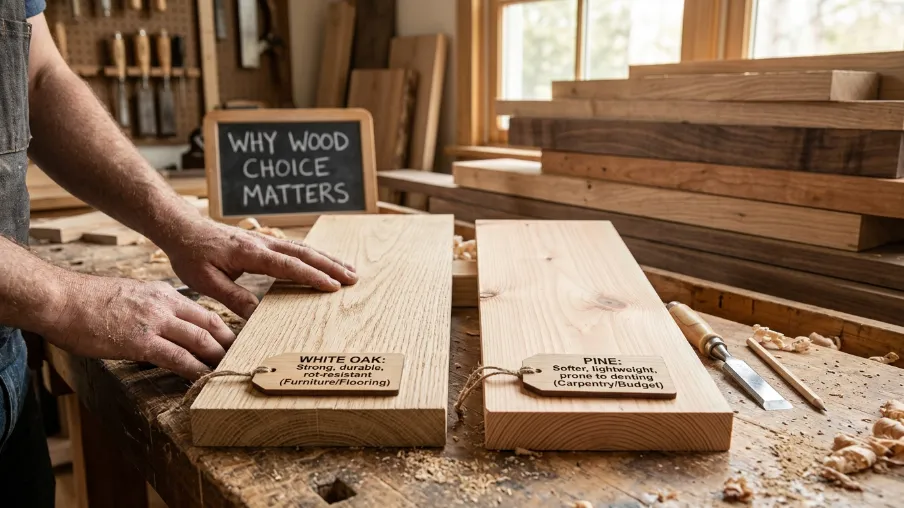
Wood choice matters more than people think because the right species can improve durability, stability, and lifespan by decades. According to the U.S. Department of Agriculture (USDA) Wood Handbook, 2021, wood density, moisture content, and natural resistance directly affect performance. For example, properly selected hardwoods can last 25–100+ years depending on use, treatment, and environmental exposure.
A dining table built from the wrong wood might look fine in the showroom but warp within a year once it's exposed to home humidity. Furniture is a long-term investment. Choosing well the first time saves money on repairs and replacements later, the same principle behind good real-estate construction planning, where material choices made early determine how a space performs for years.
Hardwood vs Softwood for Furniture
Choosing between the two often comes down to what you're furnishing. Here's a quick side-by-side comparison to help you identify the best types of wood for furniture, whether you're looking for the best hardwood for furniture or a lighter softwood option:
Feature | Hardwood (Teak, Mahogany, Sal) | Softwood (Pine, Cedar) |
|---|---|---|
Density | High | Low to medium |
Durability | 20–50+ years | 5–15 years |
Humidity resistance | Strong | Weak, needs treatment |
Price | Higher | Lower |
Best use | Dining tables, cabinets, beds | Budget furniture, decorative pieces |
Hardwood generally wins for furniture that gets daily use, like dining tables and chairs, making it the best wood for tables and chairs in most Bangladeshi households. Softwood works better for lighter, decorative, or short-term pieces where cost matters more than lifespan. This FAO commodity report on hardwoods explains why hardwood has traditionally been favored for furniture manufacturing over general utility timber worldwide.
Top Wood Types Used in Bangladesh
These are the natural wood furniture types and popular furniture wood types you'll come across most often when shopping for solid wood pieces in Bangladesh.
Teak (Segun)
Teak is widely considered the strongest wood for furniture in Bangladesh, and many carpenters treat it as the most durable wood species available locally. It contains natural oils that repel water and insects, which is why it's used for doors, dining sets, and outdoor furniture, a property confirmed by The Wood Database's technical profile on teak and this Core77 introduction to teak as a wood species.
Teak furniture, when properly maintained, can last several decades, which is why it's often marketed as premium wood for furniture and the best timber for furniture where budget isn't the deciding factor. The tradeoff is price: teak is one of the most expensive local wood options.
Mahogany (Mahogani)
Mahogany is a popular hardwood for bedroom furniture and cabinets because of its reddish-brown grain and smooth finish, as described in Wikipedia's overview of mahogany species and this Wood Database article clarifying genuine mahogany from its lookalikes.
Among the many wood grain types for furniture, mahogany's tight, even grain is one of the easiest to recognize and finish well. If you're searching for the best wood for cabinets or the best wood for bedroom furniture, mahogany is usually near the top of the list.
It's slightly less water-resistant than teak, so it works best in indoor, climate-controlled spaces rather than areas exposed to direct moisture.
Sal Wood
Sal is a dense, durable wood for furniture, commonly used for structural pieces like bed frames and heavy cabinets. It's more affordable than teak while still offering good strength, which makes it a common mid-range choice, as detailed in this overview of Sal tree (Shorea robusta) uses and Asian Paints' guide to Sal wood furniture.
Sal is also one of the most extensively studied native species in Bangladesh's own forests, as shown in this peer-reviewed study on timber species grouping in Bangladesh.
Mango Wood
Mango wood has become popular as an affordable wood for furniture and one of the more genuinely eco-friendly wood for furniture choices on the market.
It's a byproduct of fruit farming, meaning trees are repurposed after they stop producing fruit rather than cut down specifically for lumber, a point covered in this guide to mango wood furniture pros and cons and this breakdown of mango wood's durability and care needs.
It's softer than teak or sal, so it suits furniture that won't take heavy daily impact, like side tables or decorative shelves.
Rubberwood
Rubberwood is another sustainable option, sourced from rubber trees after their latex-producing years end, as explained in this guide to rubberwood's uses, pros, and cons and this detailed look at rubberwood furniture pros and cons. It's budget-friendly and works well for furniture that will stay indoors, though it needs proper treatment to resist humidity.
Comparison Table: Strength, Cost, and Durability
Wood Type | Durability | Humidity Resistance | Relative Cost | Best For |
|---|---|---|---|---|
Teak | Excellent | Excellent | High | Dining tables, doors, outdoor use |
Mahogany | Very good | Good | Medium-High | Bedroom furniture, cabinets |
Sal | Very good | Good | Medium | Bed frames, structural pieces |
Mango wood | Moderate | Fair | Low-Medium | Side tables, decorative furniture |
Rubberwood | Moderate | Fair (needs treatment) | Low | Budget indoor furniture |
How to Choose the Best Types of wood for furniture?
Choosing the right wood comes down to matching the wood's properties to how the furniture will actually be used. If you're wondering how to choose best types of wood for furniture without getting overwhelmed, here's a simple process:
Identify the furniture's purpose: A dining table needs more durability than a decorative side table.
Consider the room's humidity exposure: Kitchens and areas near windows face more moisture, so prioritize teak or well-treated sal.
Set a realistic budget: Teak lasts longest but costs more; mango wood is affordable but needs gentler use. Working with a supplier who handles logistics and materials supply end-to-end can help you compare options without overpaying for the wrong grade.
Check the grain and finish: A tight, even grain usually signals better quality and fewer weak points.
Ask about moisture content: Wood that hasn't been properly dried will warp faster, regardless of species. This Purdue Extension guide to wood shrinking and swelling shows how even a small change in moisture content can cause visible movement in a solid wood tabletop.
Common Mistakes Buyers Make
Buying by look alone: A beautiful finish can hide poor wood quality for furniture underneath.
Ignoring joinery: Even good wood fails if the joints are weak or poorly glued, a detail that skilled construction management oversight catches before installation, not after.
Skipping moisture checks: Wood with high moisture content warps after a few months indoors, as this Wagner Meters guide to acceptable moisture levels in wood explains in detail.
Choosing softwood for heavy-use furniture: Softwood dining chairs, for example, wear out fast under daily use.
Not asking about treatment: Untreated wood is far more vulnerable to termites in Bangladesh's climate.
Expert Tips for the Best Types of Wood for Furniture
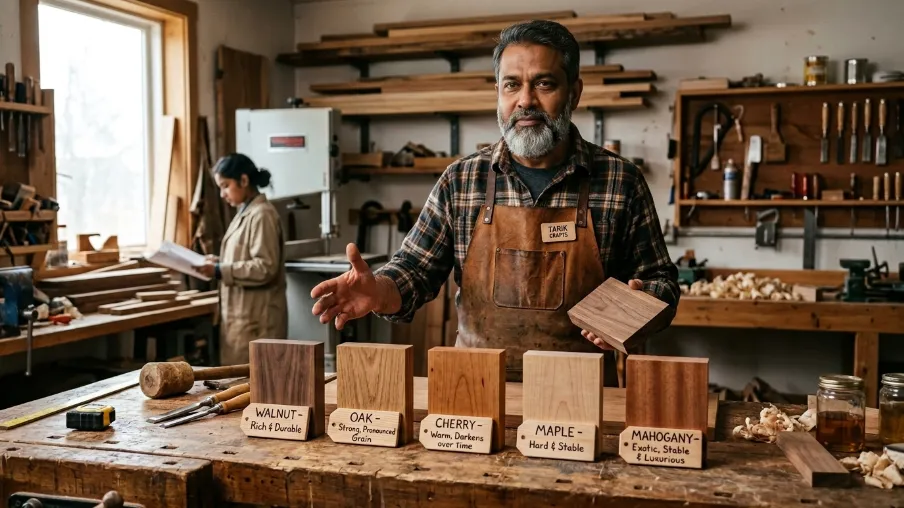
Wipe wood furniture with a dry or slightly damp cloth; avoid soaking it, especially during monsoon season, since this Condair overview of humidity's effects on wood furniture notes that swings in moisture, not just high humidity alone, cause the most damage.
Apply wood polish or oil every 6–12 months to maintain moisture resistance, particularly for teak and mahogany pieces.
Keep furniture a few inches away from walls to allow air circulation and reduce dampness buildup, in line with the ideal 35–55% relative humidity range described in this guide to preventing wood warping through humidity control.
Use coasters and mats to prevent water rings on tables, which weaken the finish over time.
If you notice small holes or sawdust near joints, treat for termites immediately rather than waiting.
Conclusion
For most homes in Bangladesh, the best types of wood for furniture are teak and sal because they offer an excellent balance of strength, durability, and humidity resistance. Mahogany is a great choice for indoor bedroom furniture, while mango and rubberwood are ideal for budget-friendly furniture and lighter everyday use.
If you need the best wood for dining tables specifically, teak remains the safest bet for a piece that gets daily wear. The right choice depends on where the furniture will sit, how often it's used, and how much maintenance you're willing to do.
Whichever wood you choose among these best wooden furniture materials, prioritize proper drying, solid joinery, and regular care. These factors matter just as much as the species itself.
If you're furnishing a new build or renovation, our drawing and design team at Nusaiba Construction & Technology can help you plan furniture and interior layouts around the right materials from the start.
FAQs About the Best Types of Wood for Furniture
What is the best wood for furniture in Bangladesh?
Teak is generally considered the best overall choice because of its strength and natural resistance to humidity and insects. Sal wood is a solid, more affordable alternative for structural pieces like bed frames and cabinets.
Is mahogany better than teak for furniture?
Mahogany has a beautiful grain and works well for indoor furniture, but teak offers better natural water resistance. Choose mahogany for bedroom furniture and teak for pieces exposed to more moisture.
What is the most durable wood for dining tables?
Teak is the most durable option for dining tables, since it resists scratches, water damage, and daily wear better than most other local wood types.
Is mango wood good for furniture?
Yes, mango wood is a good affordable and eco-friendly option, though it's softer than teak or sal. It suits lighter-use furniture like side tables rather than heavy daily-use pieces.
How do I know if furniture wood is good quality?
Check for a tight, even grain, ask about the wood's moisture content, and inspect the joinery. Good quality wood combined with poor joinery will still fail over time.
Does humidity really affect furniture wood in Bangladesh?
Yes. Bangladesh's monsoon climate makes humidity resistance one of the most important factors, more so than in drier countries. Hardwoods like teak handle this much better than untreated softwoods.
What is the difference between hardwood and softwood furniture?
Hardwood comes from slower-growing trees and is denser, more durable, and more moisture-resistant. Softwood is lighter and more affordable but wears out faster.
How often should I maintain wooden furniture?
Polishing or oiling wood furniture every 6 to 12 months helps maintain its finish and moisture resistance, particularly during and after the monsoon season.
.webp&w=256&q=75)