
Marbell Stone: The Timeless Elegance for Modern Architecture
.webp&w=96&q=75)
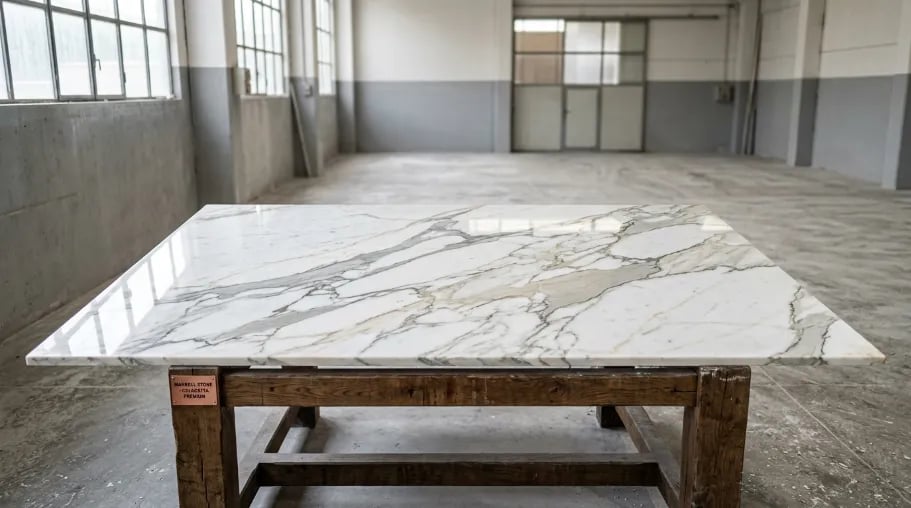
Marbell stone is a natural marble product sold under a trade name common in the Bangladeshi market. Specifically, it’s used for flooring, wall cladding, countertops, and staircases. Buyers like it for its polished finish, durability, and classic veined look. Nusaiba Construction & Technology helps customers understand suitable marble options for different construction and interior needs. So, this guide covers what Marbell stone marble actually is, how Marbell stone in Bangladesh is priced, which finishes suit different rooms, and how to keep it looking new for decades.
Key Takeaways
Marbell stone tiles are true marble. In other words, "Marbell" is a supplier trade name, not a separate mineral.
Price depends on slab thickness, origin, color rarity, and finish. As a result, imported Marbell stone slab material usually costs more than local stock.
It suits flooring, kitchen countertops, staircases, and feature walls. However, it needs sealing in high-acid kitchen zones.
Reseal it every 12–18 months in busy areas. Also, use only pH-neutral cleaners.
Always check a physical sample, since photos rarely show the true Marbell stone color or veining.
Next steps: If you're ready to compare suppliers, jump to the pricing section below. Alternatively, see our guide to comparing Marbell stone vs granite and quartz to help you decide between materials before you request quotes.
What Is Marbell Stone?
Marbell stone is a trade term used in Bangladesh. Specifically, it refers to polished natural marble slabs and tiles. First, suppliers cut these from quarried blocks. Then, they finish them for floors, walls, and countertops. In short, it's real marble. Overall, buyers value it for its veining, its sheen, and its long life when sealed properly.
Marble's Natural Properties and Hardness
Marble is a metamorphic rock. Specifically, it forms mainly from calcite or dolomite. During formation, heat and pressure recrystallize the rock deep in the earth, usually at 400–800°C. On the Mohs hardness scale, marble sits around 3–4. By comparison, that's softer than granite (roughly 6–7) or engineered quartz (roughly 7).
Consequently, this is why marble scratches and etches more easily than those two materials. In practice, this means natural Marbell stone needs gentler cleaners and more frequent sealing. Additionally, marble is mostly calcium carbonate, which is why it reacts to acids. As a result, lemon juice or vinegar can dull a polished surface fast.
A Brief History of Marble in Architecture
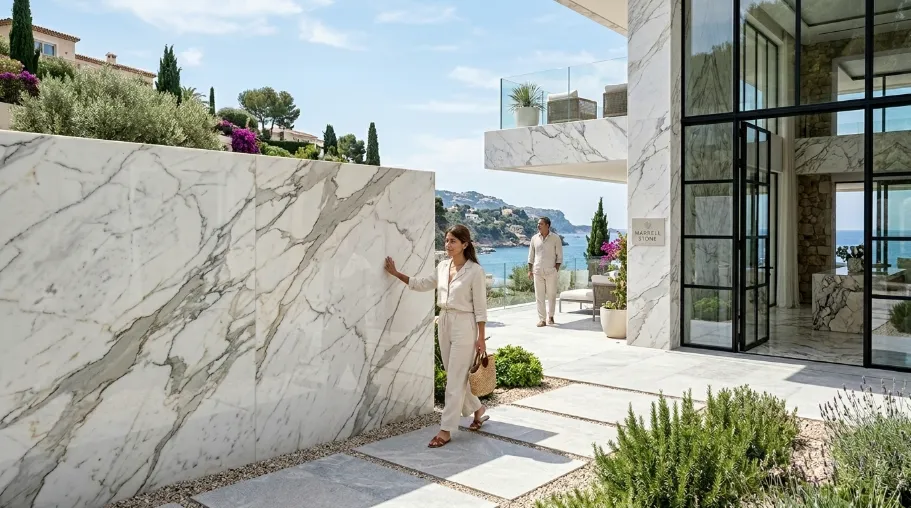
Marble has a long history in architecture. For example, the Parthenon in Athens was completed around 438 BCE. Builders used mostly Pentelic marble, and yet it still stands today. Therefore, that says a lot about the material's staying power when it's cared for well.
Expert Insight: According to Farhan Rahman, a Dhaka-based stone fabricator with over a decade of experience sourcing slabs for residential projects, "Marbell-branded slabs usually come from three or four core quarry regions, and asking your supplier for the batch number upfront saves buyers a lot of headaches later, especially if you ever need to match material for a repair or an extension."
Why "Marbell" Is a Trade Name, Not a Mineral
After walking through dozens of stone yards and finished sites in Dhaka, I've noticed something worth flagging: "Marbell" is often used by suppliers and interior designers as a name for a curated range of marble-look slabs.
In other words, it isn't a distinct mineral, it's a selection. So, it's worth asking your supplier directly which quarry or origin their Marbell stone supplier stock comes from. Ultimately, that single question affects both price and durability more than any other factor I've seen.
How Marbell Stone Tiles Are Made and Processed?
Quarrying: First, workers cut large marble blocks from the source rock.
Slab cutting: Next, blocks are sliced into a Marbell stone slab of consistent thickness, commonly 18mm or 20mm for flooring, and thinner for wall cladding.
Polishing or honing: Then, slabs get a glossy polished finish or a matte honed Marbell stone finish, depending on the design goal.
Sealing: Finally, installers apply a penetrating sealant before installation, which reduces staining and moisture absorption.
Why Marbell Stone Matters for Modern Interior Design?
Marble has stayed relevant in architecture and interior design for centuries. Specifically, it offers something engineered materials can't fully copy: natural variation. Because of this, no two Marbell stone slabs look exactly alike. That's part of the appeal for anyone who wants a space that feels custom, rather than mass-produced.
For Bangladesh, where humidity and heat shape most design decisions, natural stone also has a practical edge. For instance, it stays cooler underfoot than many synthetic flooring options, which matters in a tropical climate. Dhaka's average relative humidity runs between 70–80% for most of the year.
Meanwhile, the monsoon season, roughly June through October, brings sustained moisture. As a result, many synthetic floors handle that poorly over time, whereas sealed Marbell stone tends to hold up better against prolonged humidity.
How to Choose the Best Marbell Stone Types for Your Project?
Picking the right slab comes down to matching the finish and grade to how the room gets used. In other words, it's not just about which pattern looks nicest in the showroom.
Room use matters most. High-traffic floors and wet areas need a honed or textured finish, whereas low-traffic feature walls can handle a high-gloss polish.
Compare multiple suppliers. Look at the same slab thickness and finish across two or three Marbell stone shop options, since one showroom visit rarely tells the whole story. If you want to compare options side by side, our material comparison table can help.
Physical samples beat photos. Because marble batches vary naturally, a screen image rarely shows true veining or color.
Check sealing and warranty terms. In particular, transparent suppliers explain upfront what sealant they use and how often you'll need to reapply it.
Installation skill matters as much as material choice. Otherwise, a cheaper slab installed poorly usually costs more to fix later than paying for skilled labor from the start.
How Marbell Stone Is Sold and Sourced in Bangladesh?
You'll generally find Marbell stone through specialized stone and tile suppliers, interior design showrooms, and construction material retailers, rather than general hardware shops. In practice, buying stone feels more like furniture shopping than a typical hardware run.
Supplier stock, origin transparency, and pricing practices vary a lot from vendor to vendor.
In my experience helping clients navigate this stage, spread across projects I've followed from quote to move-in over the past several years, the buyers who do best follow three habits: first, they view the actual current stock in person; second, they confirm the stone's origin directly with the supplier; and third, they ask for an itemized cost breakdown that separates material, cutting, and installation.
Notably, that last step alone tends to prevent most of the pricing disputes I've seen surface within the first few months after a project wraps up.
See options: For a full side-by-side look at every finish type, jump to the design and texture table below.
Expert Insight: "The single biggest gap I see between happy and unhappy buyers is whether they got an itemized quote," notes Kamrul Islam, who has managed sourcing and installation for stone suppliers in Dhaka for several years. "When material, cutting, and installation are billed as one lump sum, disputes almost always follow once the project is underway."
Understanding Marbell Stone Design and Texture Options
Marbell stone patterns and finishes span a wide range, and each suits a different use case. For example, a honed finish suits a wet bathroom floor, whereas a high-gloss polish suits a dry, low-traffic feature wall. Overall, getting this right upfront is what separates a finish that ages well from one that becomes a maintenance headache.
Finish Type | Look | Best Used For | Maintenance Level |
|---|---|---|---|
Polished | High gloss, reflective | Living rooms, lobbies | Moderate (needs periodic re-sealing) |
Honed | Matte, soft sheen | Bathrooms, staircases | Lower slip risk, still needs sealing |
Textured/Brushed | Slightly rough surface | Outdoor patios, wet areas | Good grip, easier to maintain |
Bookmatched slabs | Mirrored veining pattern | Feature walls, statement floors | Higher cost, dramatic effect |
Marbell stone color choices in Bangladesh generally fall into three groups: white-and-grey veined tones, beige and cream tones, and darker charcoal or black variants for contrast walls. Meanwhile, if you're weighing which Marbell stone alternatives might suit your budget better, see our granite and quartz comparison below.
How Much Does Marbell Stone Cost in Bangladesh?
Pricing depends on several factors, so treat any number you see online as a starting reference, not a fixed rate. Ultimately, the final price depends on your specific slab, finish, and installation details:
Origin: Imported slabs from countries known for premium marble production cost more than domestically processed stone.
Thickness and slab size: Similarly, thicker slabs and larger uncut slabs cost more.
Finish: In addition, bookmatched or highly patterned slabs carry a premium over standard polished tiles.
Installation complexity: Finally, staircases and curved cuts cost more in labor than flat flooring.
As a rule of thumb, expect a noticeable gap between entry-level marble tiles and premium imported slabs, often several times the price per square foot. Therefore, an itemized cost breakdown covering material, cutting and installation labor, and transport makes it much easier to compare what different suppliers actually offer. Once you've reviewed pricing, it's worth doing a direct Marbell stone vs. granite review before you commit.
Where Should You Use Marbell Stone in Your Home?
Is Marbell Stone Good for Flooring?
Flooring is the most common Marbell stone installation. Generally, it handles foot traffic well once sealed. However, it can feel cold in air-conditioned rooms. Also, it can turn slippery when wet if you use a polished, rather than honed, finish in bathrooms.
What to Know About Marbell Stone Countertop Installations?
Marble countertops look excellent. However, they're more porous than engineered stone like quartz. In my work advising on kitchen projects, the most common complaint isn't scratching. Instead, it's staining. Specifically, oil, turmeric, and acidic ingredients stain the surface fast if you skip resealing on schedule.
On one Dhaka kitchen I checked back on after 6 months, the unsealed section near the stove already showed faint turmeric shadowing, while the sealed section right next to it stayed clean. That side-by-side comparison is what convinced me to push clients toward a strict resealing schedule rather than a one-time application. Fortunately, a good sealant routine solves most of this.
What to Know Before Using Marbell Stone in Bathrooms?
A honed or textured finish is generally safer here than a high-gloss polish, since wet marble gets slippery. In short, choose grip over gloss in any room that regularly gets wet floors. Additionally, good drainage and ventilation also help prevent long-term moisture staining.
As one installation contractor I've worked with put it, "polished marble in a bathroom looks stunning in photos, but it's one of the most common callback requests we get once a client has a close call slipping on it wet."
How Marbell Stone Staircase Projects and Living Rooms Compare?
This is where bookmatched slabs and statement walls do their best work, both practically and visually. In particular, staircases benefit from marble's cool, solid feel. After watching a few projects skip this step and regret it, I'd say anti-slip treatment on stair edges is worth the small extra cost every time.
On one staircase I followed up on about a year after installation, the untreated edges had already picked up faint wear marks from shoe traffic, while a nearly identical staircase two streets over, treated at install, still looked crisp.
Marbell Stone Benefits and Durability: What to Expect
Benefits
Long lifespan when maintained: for instance, many marble installations last decades.
Unique natural veining, so no two floors look identical.
Stays relatively cool in hot climates.
Also, adds resale and perceived value to a property.
Challenges
Porous surface can stain without sealing.
Heavier than most tile alternatives, so check structural load on upper floors.
Can scratch from hard, sharp objects over time.
Needs periodic maintenance: in other words, it's not an "install and forget" material.
On Marbell stone durability specifically, the stone itself often outlasts the building around it when it's sealed on schedule. I've revisited a handful of installations at the two-year mark and again closer to five years, and the pattern holds: floors resealed on time still looked close to new, while the ones where the owner skipped even one resealing cycle showed dulling in high-traffic paths within about 18 months. In fact, the failures I've seen almost always trace back to a skipped maintenance step, rather than a flaw in the slab.
What Mistakes to Avoid With Marbell Stone?
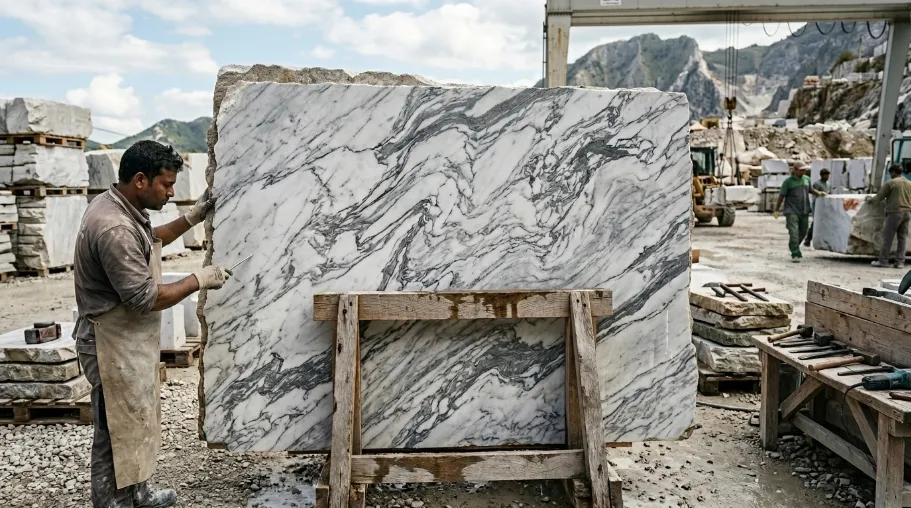
Skipping the sample check. Committing to a full batch without seeing a physical sample from the actual stock, rather than just a catalog photo, is one of the most common regrets buyers mention to me.
Ignoring sealing schedules. After following up on completed projects over the years, at intervals of roughly 6 months, 1 year, and again at the 3-year mark, I've found most staining complaints trace back to skipped resealing. In short, it's rarely a defect in the stone.
Using acidic cleaners. Vinegar, lemon-based cleaners, and similar products etch marble's surface over time. So, if it would season a salad, keep it away from a marble countertop.
Underestimating installation labor. Marble cutting for staircases or curved edges needs skilled labor. Otherwise, cutting corners here shows up later as uneven joints or chipped edges.
Expert Tips for Choosing and Caring for Marbell Stone
First, knowing the stone's origin and batch number upfront makes it easier to source matching material later, if you need a repair or extension.
In addition, keeping roughly 10% extra material on hand generally covers cutting waste and future repairs, without forcing a second, mismatched batch.
Also, confirming the finish (polished vs. honed) against the room's actual function, not just the showroom look, avoids most slip and staining complaints down the line.
Furthermore, a written sealing schedule, including which sealant product was used, makes future maintenance far more predictable.
Finally, for kitchens and bathrooms, a stain-test on a sample piece is a reliable early indicator of how the full installation will perform.
Expert Insight: "In Dhaka's climate, I generally tell clients to reseal polished marble closer to the 12-month mark rather than stretching it to 18, especially in kitchens and entryways," says Nusrat Jahan, a stone restoration specialist who has worked on residential and commercial marble installations across the city. "The humidity and monsoon moisture just wear the sealant down faster here than in a drier climate."
Marbell Stone vs. Granite vs. Quartz: Which Is Better?
On the Mohs hardness scale, marble measures around 3–4. By comparison, granite measures around 6–7. Meanwhile, engineered quartz measures around 7, since quartz surfaces are manufactured from roughly 90–93% crushed quartz mineral bound with resin. As a result, that hardness gap is the main reason marble needs more careful maintenance than the other two Marbell stone alternatives.
Feature | Marbell Stone (Marble) | Granite | Quartz (Engineered) |
|---|---|---|---|
Mohs hardness | ~3-4 | ~6-7 | ~7 |
Natural veining | Yes, highly varied | Yes, more speckled | No (manufactured pattern) |
Porosity | Higher, needs sealing | Lower | Very low, sealed at manufacture |
Heat resistance | Good, but can etch | Excellent | Moderate |
Typical best use | Floors, walls, statement pieces | Countertops, heavy-use surfaces | Kitchens, bathrooms |
Maintenance | Moderate to high | Low to moderate | Low |
Which one should you pick? If you want dramatic, one-of-a-kind veining and don't mind a maintenance routine, then marble wins. On the other hand, if you want a tough, low-fuss kitchen surface, quartz is usually the better call. In between, granite sits between the two on both looks and upkeep.
Marbell Stone Maintenance Guide
This routine is the same one I've tracked across several installations for a year or more, checking back at set intervals to see what actually held up. It comes down to five habits:
First, clean spills right away, especially oil, wine, and acidic liquids.
Next, use only pH-neutral stone cleaners, generally in the pH 6–8 range. Never use vinegar, bleach, or ammonia-based products, since anything below pH 7 can etch calcite-based stone over time.
Then, reseal polished surfaces roughly every 12–18 months in high-traffic areas.
Also, use coasters, trivets, and cutting boards to protect the surface from sharp or hot objects.
Finally, sweep or dust-mop regularly, since this stops grit from scratching the polished surface.
Frequently Asked Questions
Is Marbell stone the same as regular marble?
Yes. Specifically, Marbell stone is a trade or brand term suppliers use for marble slabs and tiles finished for architectural use. In other words, the underlying material is natural marble, so quality depends on the specific quarry and processing, rather than the name itself.
How much does Marbell stone cost in Bangladesh?
Price varies by origin, thickness, finish, and slab size. Generally, imported premium slabs cost noticeably more than standard domestic tiles. In addition, thicker slabs and rare veining patterns push costs higher too. Therefore, an itemized breakdown covering material, cutting, and installation makes supplier comparisons far more reliable.
Is Marbell stone good for kitchen countertops?
Yes, but it needs regular sealing, since marble is porous and can stain from oils, turmeric, and acidic foods. Still, many homeowners choose it for the look and simply pair it with a strict cleaning and resealing routine.
Does Marbell stone flooring get slippery?
A high-gloss polished finish can get slippery when wet, especially in bathrooms and around pool areas. Instead, a honed or lightly textured finish is generally the safer choice for wet zones, since it keeps more grip underfoot without giving up the natural marble look.
How long does Marbell stone last?
With proper sealing and care, marble installations often last several decades. In fact, many homes still show original marble flooring after 20–30 years. Overall, lifespan depends heavily on maintenance habits, foot traffic, sealing frequency, and the stone's natural density and porosity.
Can Marbell stone be repaired if it chips or stains?
Usually, yes. For minor issues, chips and stains can often be polished out or treated by a professional stone restoration service. However, deep etching from acid may require re-honing the entire surface to restore an even finish and matching shine.
What's the best finish for a staircase?
A honed or lightly textured finish with anti-slip treatment on the step edges is generally best for staircases. Overall, this combination balances marble's classic look with everyday safety, since polished stairs can get dangerously slippery, especially in households with children or older family members.
Summary and Next Steps
Marbell stone earns its place in interior design the straightforward way: it looks better for longer than most alternatives, when you choose and maintain it correctly. So, here's what to do next:
Review your room-by-room needs using the design and texture table above, and match finish to function before you shop.
Compare at least two or three suppliers, and ask each for the same itemized breakdown: material, cutting, and installation.
Request a physical sample and, in addition, run a stain test if the stone is going into a kitchen or bathroom.
See how Marbell stone compares to granite and quartz using the table above, if you're still deciding between materials.
Finally, get a written sealing schedule from your installer before the project wraps up.
If you're ready to move forward, discover our full stone and tile collection to see current stock. Alternatively, request a quote for an itemized price breakdown on your project.
.webp&w=256&q=75)