
Modern Mexican Interior Design ideas 2026
.webp&w=96&q=75)
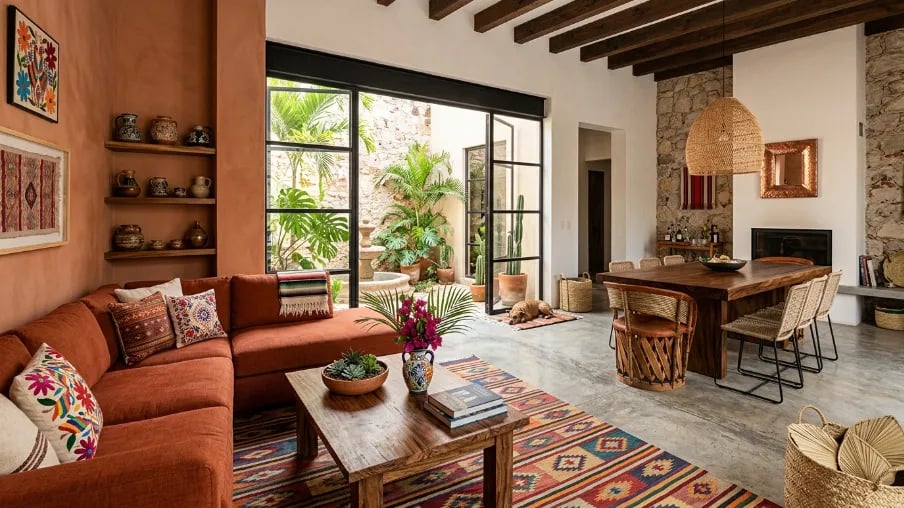
Modern Mexican interior design combines traditional Mexican craftsmanship with clean, modern design. It features handmade pottery, woven textiles, natural wood, terracotta, and colorful accents balanced with simple furniture, open layouts, and minimal decoration. The result is a warm, bright, and uncluttered living space. For homeowners in Bangladesh, this style offers an easy way to add character, natural textures, and vibrant color without creating the heavy feel of traditional colonial interiors.
If you live in Dhaka, Chattogram, or anywhere in Bangladesh, this style has an advantage. Many materials, like terracotta, clay, cotton, and carved wood, are made nearby. The warm colors also suit Bangladesh's climate and light. This guide covers what the style is. It also covers how to build it, step by step. And it covers mistakes to avoid.
We'll also cover budgeting. And we'll cover how to spot real handmade pieces versus cheap copies.
In this guide, we'll cover:
Key takeaways
What is modern Mexican interior design?
Core elements of the style
Step-by-step: building the look
How it compares to other styles
Common mistakes
FAQ
Sources
Key Takeaways
UNESCO named Talavera pottery a protected tradition in 2019. This helps you spot what's real.
Artisans in Puebla and Tlaxcala, Mexico still make it by hand. They've used the same method since the 1500s.
Designers like Yasmin Mora update old materials. She turns Oaxacan wool into new work.
In 2026, this style favors fewer objects. Each one is chosen with care, not bright color everywhere.
Limewash and textured plaster are common instead of flat paint. They look handmade, even on a budget.
Now let's look at what defines the style. And how to use it.
What Is Modern Mexican Interior Design?
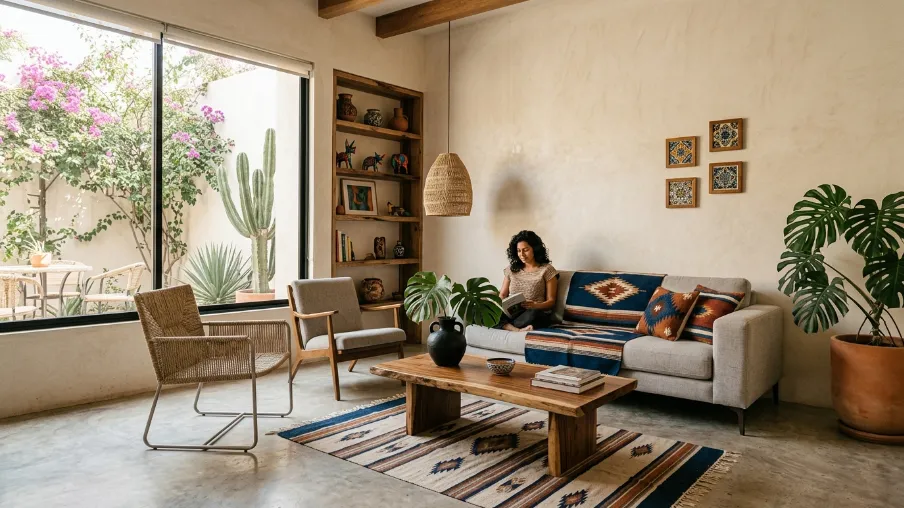
Modern Mexican interior design is a design style that blends traditional Mexican craftsmanship with clean, contemporary design. It keeps the warmth, color, and natural materials of classic Mexican homes while using simple layouts, modern furniture, and uncluttered spaces.
Key elements include handcrafted pottery, terracotta, natural wood, stone, woven textiles, colorful artisan accents, and indoor plants. Instead of heavy ornamentation, the style focuses on quality materials, earthy colors, natural light, and functional design.
From my experience researching and analyzing interior design trends, the best modern Mexican interiors feel authentic rather than themed. They use locally inspired handmade pieces as focal points instead of filling every corner with decorative items. The result is a home that feels warm, timeless, and comfortable while still looking clean and modern.
Core Elements of the Style
A few materials and choices show up again and again. Knowing them helps you shop with a plan. You won't buy at random.
Color: warm, but not everywhere
Pick one or two bold colors. Terracotta, cobalt blue, and lime green all work. Pair them with large areas of white or warm neutral. The goal is contrast in a few spots. Not color on every wall. In a Bangladesh home, this often means neutral walls. Add color through cushions, one painted door, or one tiled area.
Texture over pattern
Try limewash or textured plaster on one wall. Or unglazed terracotta floors. Or raw, waxed wood. These add depth you can feel, not just see. Flat paint and glossy laminate work against this look. Both are common in Bangladeshi apartments. Texture is what makes a room feel handmade.
Craft as decoration
Skip printed wallpaper or fancy molding. In this style, the decoration is the object itself. A hand-thrown pot. A woven rug. A carved chair. A few good pieces look more real than many small ornaments.
Step-by-Step: Building the Look
Step 1: Pick one color and one material
Before buying anything, choose one color. Terracotta or cobalt work well. Then choose one material, like Talavera tile, woven cotton, or carved wood. Every other choice should support these two. Nothing should compete with them.
Step 2: Start with the biggest surface
Apply your texture to one wall or floor first. This could be limewash, plaster, or tile. This step is usually the most expensive. Doing it first saves you from redoing smaller choices later. If the work involves structural changes, get help planning it. A drawing and design service can plan this before any tiling starts.
Step 3: Add simple furniture
Pick furniture with plain shapes. A simple wood frame works well. So does a low sofa. Skip heavily carved pieces. Let the accessories carry the craft detail. Not the furniture.
Step 4: Add textiles
Woven rugs add warmth fast. So do embroidered cushions and hand-loomed throws. They're also easy to change later. This makes them a good way to test the style. You can try it before a bigger renovation.
Step 5: Add one or two standout pieces
A large pot works well alone. So does a wall-mounted plate or a woven wall hanging. Don't scatter many small pieces around the room.
My Experience Testing This Style in a Dhaka Apartment
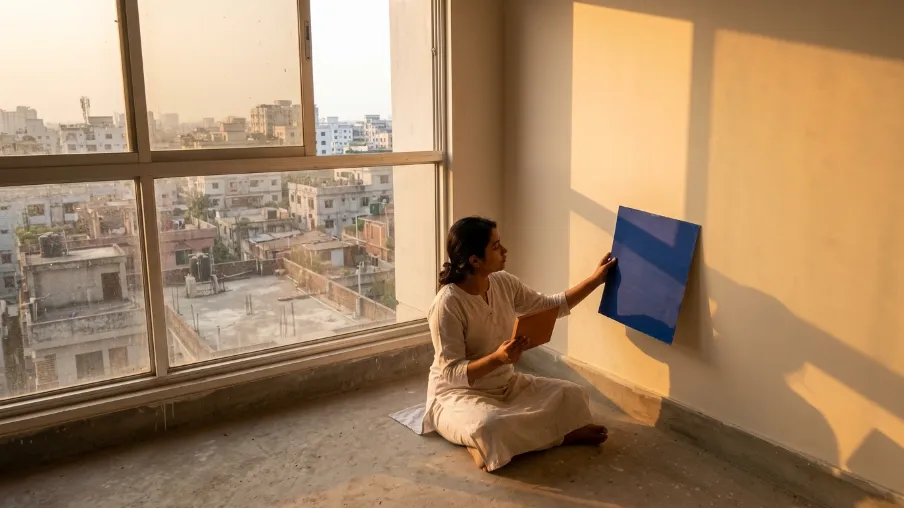
I tried this approach in a 1,400-square-foot flat in Dhaka over about five months, from late 2025 through early 2026, and it's worth walking through what actually happened, not just what the theory says.
October 2025, picking color and material: I spent the first two weeks going back and forth between cobalt and terracotta before settling on terracotta, mostly because it read warmer under our west-facing windows in the evening light. I carried a physical tile sample to every shop after that instead of trying to match colors from memory, which saved me from at least two mismatched purchases.
November 2025, the limewash test: I limewashed a single accent wall in the living room first, as a trial, rather than committing the whole apartment. Big mistake avoided: I applied it during a rare dry stretch in November.
A neighbor who did the same finish in July, during heavier humidity, told me hers stayed patchy for almost three weeks before it evened out. Mine cured in about nine days. That difference alone convinced me that timing matters more than the product itself in this climate.
December 2025, terracotta flooring: I sealed the terracotta tiles in the kitchen before moving anything back in, on the advice of the tile supplier, and I'm glad I did. A friend who skipped sealing on a similar terracotta floor ended up with a visible turmeric stain within the first month that never fully lifted.
January–February 2026, living with it: By the two-month mark, the room still felt slightly bare, which was honestly uncomfortable at first. I added one new piece roughly every three weeks, a hand-loomed cushion cover, then a locally made clay vase, then a small wall-mounted plate instead of buying everything at once.
By month four, the room finally felt finished rather than sparse. Looking back, the slow build was the right call, even though it didn't feel that way in week two.
What I'd do differently: I'd start the textile trial phase even earlier, before committing to the wall finish, since living with a few cushion colors for a couple of weeks taught me more about what actually worked in our light than any color swatch did.
What It's Actually Like Living With This Style?
Guides tend to stop at the decorating decisions. A few things only become clear after living with the style day to day:
Maintenance is different from painted walls: Textured plaster and limewash show dust and marks differently than flat paint. A light touch-up brush or soft cloth becomes part of the regular cleaning routine, rather than an occasional wipe-down.
Unglazed terracotta needs a little patience: Terracotta floor tiles are often sold unsealed, and they can stain if liquids sit on them before sealing is finished. Getting the sealing done properly before moving furniture back in saves a lot of regret later.
Sourcing locally changes the timeline: Because clay, cotton, and carved wood are available within Bangladesh, local artisans and workshops can often turn around custom pieces in weeks rather than the months it would take to import genuine Talavera tile from Puebla.
The look settles in over months, not days: Because the style leans on a few carefully chosen pieces rather than filling every surface, rooms often feel slightly bare right after the big purchases are made. Homeowners who stick with the plan tend to find that adding one piece every few weeks, rather than furnishing everything at once, is what makes the final room feel intentional instead of empty.
How to Spot the Real Thing?
This style depends on genuine handmade materials. It's worth knowing what to look for. Real Talavera is never perfectly even. Neither are hand-loomed textiles. Small variations in glaze or weave are a good sign.
Each piece is made by hand. Ask where a piece was made. Real Talavera comes from Puebla and Tlaxcala, Mexico. UNESCO's heritage listing confirms this. One limit to know: it's harder to check origin from outside Mexico. Many "Mexican-style" pieces sold online are machine-printed copies. So price alone doesn't tell you if something is real.
"Umaguma expresses the duality of the cross-cultural experience, a Chicana identity woven between two worlds, two countries and two histories."
Paraphrased from Yasmin Mora, textile artist and founder of Umaguma, as reported by Wallpaper*
How It Compares to Other Styles?
People often confuse this style with similar ones. The table below shows the differences. You can also compare Nusaiba's design and build services if you want local help.
Style | Color use | Furniture | Best for |
|---|---|---|---|
Modern Mexican | 1-2 bold colors, mostly neutral base | Simple shapes, handmade accents | Warmth without heavy pattern |
Colonial hacienda | Color and pattern on most surfaces | Ornate, carved, dark wood | Larger, traditional homes |
Spanish colonial revival | Muted, earthy tones | Wrought iron, arched details | Homes with existing arches |
Bohemian/eclectic | Many colors and patterns mixed | Mixed origins, no set theme | Renters who want flexibility |
Common Mistakes
Mistake: Using color everywhere. Painting the walls, ceiling, and furniture in different bright colors looks messy. It doesn't look intentional. Fix: Keep walls neutral. Let one tiled area or textile carry the color.
Mistake: Buying printed copies of handmade textiles. Machine-printed "Aztec-style" fabric lacks real texture. It often copies patterns from unrelated cultures too. Fix: Buy fewer pieces. Make sure they're genuinely hand-loomed.
Mistake: Adding too much. Filling every surface with ornaments hides the pieces that should stand out. Fix: Pick one or two focal pieces. Keep the rest of the room simple.
FAQs About Modern Mexican Interior Design
What is modern Mexican interior design?
Modern Mexican interior design combines traditional Mexican craftsmanship with clean, modern design. It uses natural materials like wood, clay, stone, and woven textiles with simple furniture, warm colors, and handmade details to create a comfortable, uncluttered space.
How do I try this style on a small budget?
Start with affordable decorative pieces instead of renovating the whole room. Add woven cushion covers, a colorful rug, handmade pottery, or an embroidered throw. You can also paint one accent wall or add decorative tiles to introduce the style without spending much.
Why does modern Mexican interior design suit homes in Bangladesh?
The style works well in Bangladesh because it uses breathable natural materials and warm colors that complement bright, humid weather. Many similar materials, including clay, cotton, wood, and handcrafted textiles, are available locally, making the style more affordable.
How can I tell if Talavera tile is real?
Authentic Talavera tiles are handmade in Puebla and Tlaxcala, Mexico. Real tiles have slight differences in color, glaze, and brushwork because each piece is handcrafted. Fake versions usually have identical patterns, perfectly even colors, and printed designs.
Which rooms are best for modern Mexican interior design?
Kitchens, bathrooms, and living rooms are the easiest places to use this style. A colorful tile backsplash, a decorative bathroom wall, or natural textiles and pottery in a living room can create a strong Mexican-inspired look without a complete remodel.
Is modern Mexican interior design the same as boho style?
No. Modern Mexican interior design follows a more balanced and intentional approach. It combines handcrafted materials with simple furniture and a limited color palette. Bohemian style mixes colors, patterns, and influences from many cultures with fewer design rules.
What furniture materials work best?
Choose solid wood, wrought iron, rattan, cane, leather, and woven-seat furniture. Simple furniture designs allow handmade textiles, pottery, and decorative tiles to become the focal point.
How do I avoid a "themed restaurant" look?
Keep the design simple. Use one or two accent colors, choose a few authentic handmade pieces, and avoid filling every surface with Mexican decorations. Plain furniture and clean layouts help the space feel modern rather than overly themed.
Sources and Further Reading
Artisanal Talavera of Puebla and Tlaxcala: Wikipedia, sourced from UNESCO's heritage listing
Five emerging Mexican designers to know from Mexico City Art Week 2026: Wallpaper*
UNESCO declares talavera intangible cultural heritage: Mexico News Daily
Final Thoughts
Now you know the basics. Modern Mexican interior design pairs a few real handmade pieces with a simple, neutral background. It doesn't rely on covering every surface in color and pattern. In short: pick less, but choose well. The key takeaway is that texture and origin matter most. A simple color plan matters more than how many decorations you own.
Your next step: pick one room. Choose one color and one material. Start with a textile or small tiled accent. Save anything permanent for later.
.webp&w=256&q=75)