
Stone Bricks Guide: Types, Uses & Price Factors Explained (Bangladesh)
.webp&w=96&q=75)
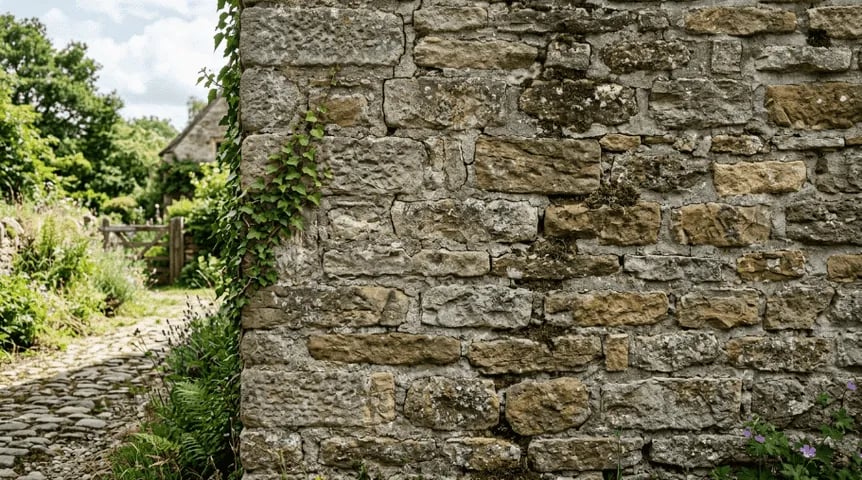
Stone bricks refers to masonry units made by cutting or shaping natural quarried stone, such as granite, sandstone, limestone, or slate. They are used for walls, flooring, cladding, and paving. Stone bricks are known for their durability, moisture resistance, natural appearance, and low maintenance, although they generally cost more than clay or concrete bricks. Nusaiba Construction & Technology provides construction solutions and expertise for projects where durable, high-quality stone materials are required.
Key Takeaways
Stone bricks are masonry units made from natural quarried stone such as granite, sandstone, limestone, or slate, while engineered stone products are manufactured alternatives.
They generally cost more upfront than clay or concrete bricks but last longer and need less maintenance.
The right choice depends on where you're using them: exterior walls need different stone than interior flooring.
Common mistakes include ignoring water absorption rate, skipping supplier verification, and choosing color over durability.
In Bangladesh, availability, transport cost, and local climate (humidity, monsoon rain) should guide your final decision as much as price.
This guide focuses on stone brick selection for residential and small commercial projects in Bangladesh, with attention to durability, water absorption, installation, cost, and monsoon exposure. Read on to learn what actually matters, not just to look at pretty photos.
What Are Stone Bricks?
Stone bricks are building blocks cut or shaped from natural rock, commonly sandstone, granite, limestone, or slate, and used in place of, or alongside, traditional clay or concrete bricks. Unlike clay bricks, which are molded from clay and fired in a kiln, stone bricks come straight from quarried stone, giving them a texture and strength that manufactured bricks can't fully copy.
In construction discussions, the term “stone brick” is sometimes used loosely for both solid masonry units and thin decorative stone veneer. That distinction matters because a veneer product is designed as a surface finish, while a structural stone unit may be designed to contribute to a wall's load-bearing system.
What Are Stone Bricks Made Of?
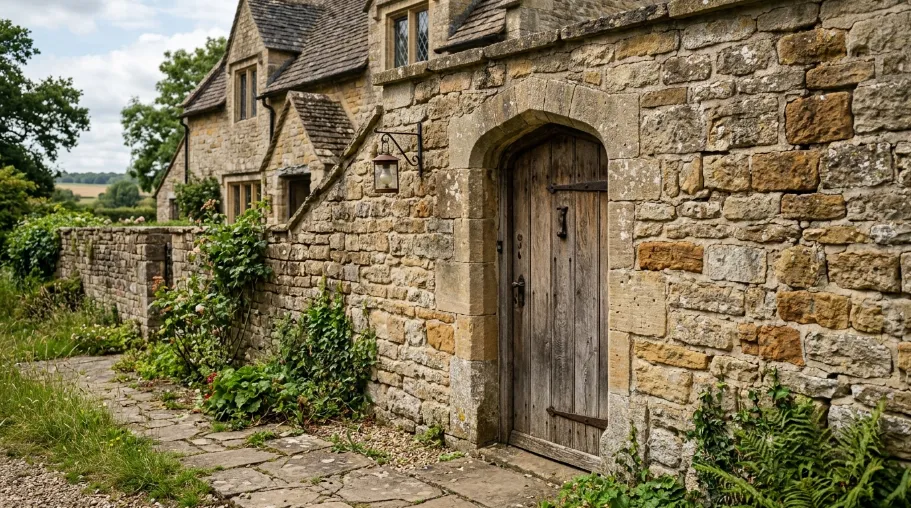
Stone bricks are made from natural quarried rock, including granite, sandstone, limestone, slate, and other durable stones. The raw stone is cut, shaped, and sometimes finished into uniform masonry units. Unlike clay bricks, stone bricks do not require firing in a kiln, making their production more dependent on quarrying and stone-cutting processes.
The exact properties of each product should be confirmed through the supplier's technical specifications, because strength, density, and water absorption can vary within the same stone category.
Where Can Stone Bricks Be Used?
Stone bricks can be used for exterior walls, interior feature walls, flooring, patios, walkways, driveways, garden borders, fireplaces, retaining walls, and building facades. They are especially suitable for areas that need durability, moisture resistance, and a natural appearance. Their strength and low maintenance also make them useful for both residential and commercial construction projects.
Why This Distinction Matters
Structural stone brick carries the load through its full thickness. Cladding is a thin veneer over a separate backing wall and carries no structural load. Structural stone and stone veneer serve different construction functions, so the manufacturer's installation and structural specifications should be checked before selecting either product; references on dimension stone.
Structural stone bricks: thick, load-bearing, used in walls and foundations.
Decorative/cladding stone bricks: thin slices of stone or engineered stone veneer, used for surface finish only.
Using the wrong type for the wrong job typically means one of two outcomes: either you're paying for structural strength you don't need, or, worse, you're underbuilding a wall that needs real structural support. Understanding this distinction is the single most useful thing you can take from this section.
How Stone Bricks Work in Construction
Stone bricks work the same basic way any masonry unit does: they're stacked and bonded with mortar to form a wall, floor, or paved surface. What's different is how they behave over time.
In other words, natural stone doesn't absorb water the way clay brick does, so it resists mold and weathering better in humid climates. That said, some porous stones like certain sandstones can still absorb moisture, a property generally measured as porosity.
According to ASTM C97, the standard test method for absorption and bulk specific gravity of dimension stone, dense stones like granite and slate commonly publish water absorption figures under 0.4%, while sandstone can range anywhere from roughly 2% to over 15% depending on its structure, a wide enough gap that it changes how a stone performs outdoors. Understanding this water absorption rate is genuinely one of the more important things to learn before selecting a stone type.
From working on similar material comparisons, I've noticed that installation also takes longer with stone bricks than with standard clay bricks, mainly because stone units are less uniform in shape and need more careful mortar work to keep joints level.
Why Choosing the Right Stone Bricks Matters
Getting this choice wrong isn't just a cosmetic problem. It affects:
Structural safety: using decorative veneer where load-bearing brick is needed is a real risk.
Long-term cost: cheaper, low-density stone may crack or stain faster, costing more in repairs.
Climate performance: Bangladesh's monsoon season, generally concentrated between June and October, brings a large share of the country's total annual rainfall, commonly cited at around 2,000-2,500mm depending on region, so porous or poorly sealed stone is punished hard by that sustained humidity and rain.
Resale and appearance value: stone brick finishes are often a selling point for homes, so a mismatched or low-quality choice can hurt property value later.
Stone Brick Types: A Quick Comparison
Stone Brick Type | Common Use | Durability | Typical Look |
|---|---|---|---|
Granite bricks | Exterior walls, flooring, paving | Very high | Speckled, hard-edged |
Sandstone bricks | Cladding, garden walls, landscaping | Medium (check porosity) | Warm, earthy texture |
Limestone bricks | Interior walls, decorative facades | Medium-high | Smooth, pale tones |
Slate bricks | Flooring, roofing accents | High | Dark, layered texture |
Engineered/manufactured stone bricks | Interior cladding, budget projects | Medium | Consistent, uniform pattern |
There's no single "best" type. In other words, the right stone brick depends on whether you're building a load-bearing wall, laying a courtyard, or adding a decorative accent wall, and understanding that context matters more than chasing a single "top" material.
Stone Bricks vs Clay Bricks vs Concrete Bricks
Feature | Stone Bricks | Clay Bricks | Concrete Bricks |
|---|---|---|---|
Durability | Very high | Moderate | Moderate-high |
Water resistance | Generally high (varies by stone) | Moderate | Moderate |
Upfront cost | Higher | Lower | Lower-moderate |
Maintenance | Low | Moderate | Low-moderate |
Aesthetic appeal | High, natural texture | Traditional | Uniform, plain |
Installation time | Longer | Faster | Faster |
To put it simply: if your budget is tight and you're building a standard interior wall, clay or concrete brick is often the practical choice. If you're building something meant to last decades with minimal upkeep, such as an exterior facade, a boundary wall, or a courtyard, stone brick tends to justify its higher price. Understanding this trade-off, rather than picking by price alone, is the main lesson of this comparison.
Understanding Stone Brick Price Factors in Bangladesh
In Bangladesh, stone brick prices vary by type, size, quality, and location. For example, BDStall’s July 2026 listings show stone bricks at around ৳15 per piece, while fire bricks can reach ৳135 per piece. From my experience, I recommend checking the stone type, dimensions, finish, supplier, and delivery distance before finalizing your project budget.
Here's what typically explains the difference:
Thickness: thicker structural bricks cost more than thin veneer slices.
Finish: polished or honed stone costs more than rough-cut, natural-finish stone.
Transport distance: stone sourced closer to your project site is usually cheaper due to lower delivery cost.
Supplier and volume: larger orders directly from manufacturers are often more cost-effective than small retail purchases.
In my experience, online stone brick prices should be treated as estimates, not fixed figures. Prices can change with fuel costs, seasonal demand, and quarry supply. For example, Bangladesh Bank publishes fuel-price and inflation data that can help explain market changes over time. I recommend checking the supplier’s current quotation and comparing the date, location, stone type, and delivery cost before deciding.
Where to Use Stone Bricks
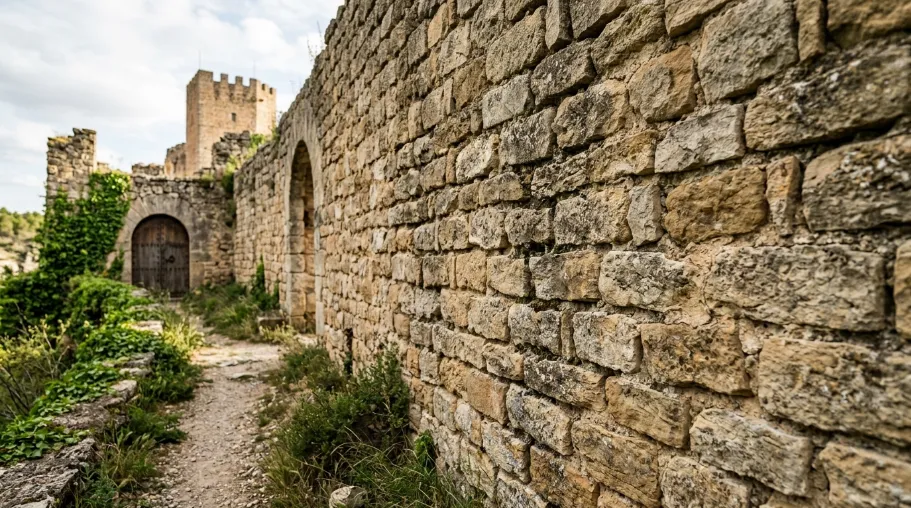
Stone Brick Walls
Stone brick walls work well both indoors and outdoors. Exterior stone brick walls hold up well against Bangladesh's monsoon rain and humidity, provided the stone type has good water resistance and the joints are sealed properly.
Stone Brick Flooring and Paving
Stone brick flooring is popular for courtyards, verandas, and garden pathways because it handles foot traffic and weather exposure better than many tile options. Stone brick paving is also commonly used for driveways, where load resistance matters.
Stone Brick Cladding and Veneer
For interior accent walls or exterior facades where structural strength isn't the priority, thinner decorative stone bricks or veneer panels give the same visual effect at a lower material cost. Learn more about stone brick cladding designs to understand which pattern suits which setting.
Stone Bricks Selection Guide: How to Choose the Right Type, Step by Step
Step 1: Define the Purpose First
Decide if you need structural strength (walls, foundations) or purely decorative finish (accent walls, cladding). This one decision narrows your options more than anything else.
Step 2: Learn the Water Absorption and Porosity Rating
Ask your supplier for this data, especially for exterior or flooring use in a humid climate. Lower porosity generally means better long-term weather resistance, and understanding this number helps explain why two similar-looking stones can perform very differently.
Step 3: Match the Stone to the Location
Exterior use needs weather-resistant stone; interior use has more flexibility since it isn't exposed to rain or humidity swings.
Step 4: Compare Information Across a Few Sources
Price, finish quality, and consistency vary more than people expect. Looking at more than one source gives you a clearer picture than relying on a single data point.
Step 5: Examine a Physical Sample
Texture and color look different in daylight than in a showroom or photo. Always view a physical sample to understand the real look and feel before finalizing anything.
Step 6: Confirm Dimensions and Tolerances
Stone brick sizes aren't always as uniform as manufactured brick, so understanding this beforehand helps you avoid installation surprises later.
Step 7: Understand the Full Installation Cost
Stone brick installation generally takes longer and may need more skilled labor than standard brickwork, so it helps to understand this as part of the total picture, not just the material price.
Common Mistakes to Avoid
Choosing stone bricks purely by color or photo without checking durability data.
Using decorative veneer stone in a load-bearing application.
Skipping a physical sample check before finalizing a large order.
Overlooking transport and installation costs when comparing "brick price" between suppliers.
Not asking whether the stone needs periodic sealing to stay water-resistant.
Benefits and Challenges of Stone Bricks
Benefits
Long lifespan with low maintenance once installed correctly.
Strong natural aesthetic that's hard to replicate with manufactured materials.
Good performance in humid or high-moisture environments (for the right stone type).
Increases property value in many residential and commercial projects.
Challenges
Higher upfront material and labor cost compared to clay or concrete brick.
Heavier weight, which may need additional structural planning.
Less uniform sizing, requiring more skilled masonry work.
Sourcing consistent quality can be harder depending on your supplier.
Expert Tips
In many cases, mixing structural stone brick at the base of a wall with decorative cladding above is a practical way to balance cost and appearance.
Ask your supplier for the stone's origin: locally sourced stone often reduces both cost and delivery time compared to imported stone.
For flooring, a textured or honed finish generally offers better slip resistance than a fully polished one, which matters during Bangladesh's rainy season.
FAQs About Stone Bricks Common Questions
1. What Are Stone Bricks?
Stone bricks are masonry units cut or shaped from natural stone such as granite, sandstone, limestone, or slate. They are used for walls, flooring, paving, and decorative cladding. Stone bricks generally cost more than clay or concrete bricks, but they can provide greater durability, lower maintenance, and a natural appearance.
2. What Are Stone Bricks Made Of?
Stone bricks are primarily made from natural quarried rocks, including granite, sandstone, limestone, and slate. The stone is cut or shaped into masonry units suitable for construction. Some products are manufactured from engineered stone composites designed to reproduce the appearance of natural stone while offering more consistent sizes and patterns.
3. Are Stone Bricks Better Than Clay Bricks?
Stone bricks are generally more durable and weather-resistant than clay bricks, but they usually have a higher upfront cost and require more installation effort. Clay bricks are often more practical for budget-conscious construction, while stone bricks are better suited to projects where durability, natural appearance, and long-term performance are priorities.
4. How Much Do Stone Bricks Cost in Bangladesh?
Stone brick prices in Bangladesh vary according to stone type, thickness, finish, supplier, transport distance, and order volume. Decorative cladding is generally less expensive than thick structural stone bricks. Because prices change with fuel costs, seasonal demand, and supply, buyers should compare current supplier quotes instead of relying on one fixed online price.
5. Can Stone Bricks Be Used for Flooring?
Yes, stone bricks can be used for flooring in courtyards, verandas, pathways, and other areas exposed to foot traffic and weather. For outdoor flooring, a textured or honed finish is generally preferable to a highly polished surface because it can provide better slip resistance. The stone should also be suitable for moisture exposure.
6. Do Stone Bricks Need Maintenance?
Stone bricks generally require relatively little maintenance when properly selected and installed. However, porous stones such as some types of sandstone may need periodic sealing to improve moisture resistance. Before installation, check the stone's porosity, water absorption, finish, and sealing requirements, especially when the material will be exposed to Bangladesh's humid and rainy climate.
7. What Is the Difference Between Stone Brick Cladding and Structural Stone Brick?
Structural stone brick is a full-thickness masonry unit designed to carry structural loads, while stone cladding is a thin decorative layer installed over a separate backing wall. Cladding provides appearance rather than structural support, so it should not be substituted for structural stone where a wall requires load-bearing capacity.
8. Which Stone Brick Type Is Best for Exterior Walls?
Granite and slate are generally strong choices for exterior walls because of their durability and relatively low water absorption. Suitable low-porosity sandstone can also work well. The final choice should depend on the stone's water absorption, porosity, durability, climate exposure, and intended application rather than appearance alone.
Next Steps
Now that you understand the basics, here's where to go next depending on what you're deciding:
If you're weighing material types, compare stone brick vs concrete brick side by side to see which fits your project's budget and durability needs.
If you already know you want stone, see stone brick style options across granite, sandstone, slate, and engineered finishes.
If you're still unsure which one is right for your climate and use case, review the best stone brick types for exterior walls for a narrower shortlist.
If cost is your main constraint, revisit the price factors section above, or review our stone brick pricing breakdown for a fuller picture.
Final Thoughts
From my review, BNBC 2015 requires natural stone masonry units to be sound, free from loose inclusions, and suitable for the intended strength and fire-resistance requirements. BS EN 771-6:2011+A1:2015 covers natural stone units at least 80 mm wide. So, rather than using unsupported percentages, I recommend judging stone bricks by strength, dimensions, water performance, and intended application.
With that understanding in hand, the practical next step is simple: examine samples, compare a few sources of information, and don't let price alone drive the decision. A slightly higher upfront cost on the right stone brick often means fewer repairs and less maintenance later.
To go deeper on any part of this topic, learn more about stone brick installation, discover our full range of stone brick types, or read more about stone brick flooring options.
References
This guide references general, stable background sources for definitional claims used above:
Wikipedia: Dimension stone, general background on quarried structural and cladding stone.
Wikipedia: Brick, background on clay brick manufacturing for the stone-vs-clay comparison.
Wikipedia: Porosity, general explanation of the water-absorption property referenced throughout this guide.
Wikipedia: Sandstone, Granite, Slate, and Limestone, for readers who want more geological detail on each stone type mentioned above.
ASTM International, the standards body that publishes the formal test methods (e.g., water absorption and compressive strength testing for dimension stone) referenced conceptually in the Methodology section above.
Natural Stone Institute, an industry trade association publishing technical guidance on natural stone selection and installation.
.webp&w=256&q=75)